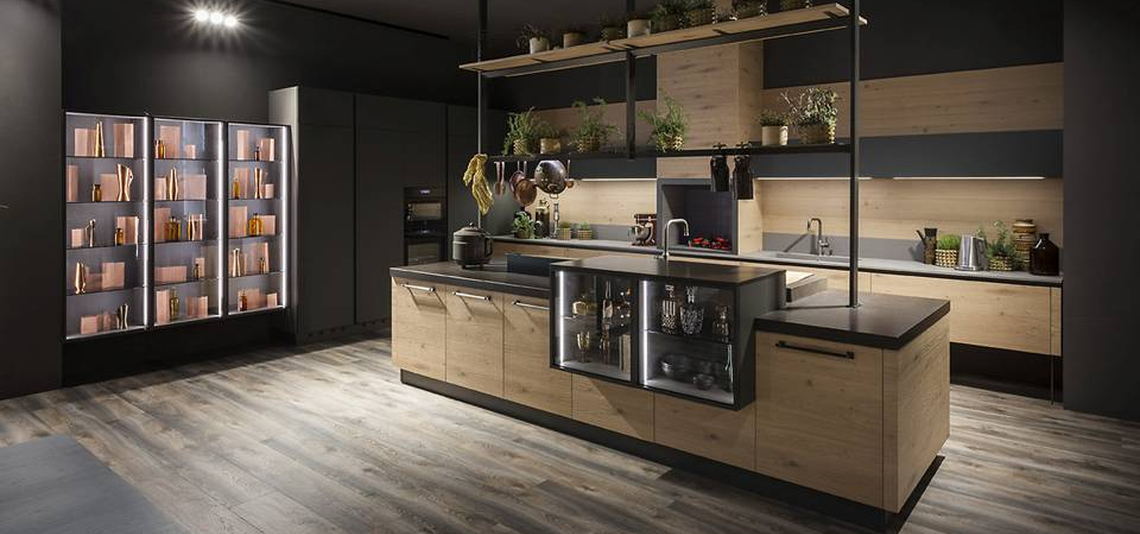
Nábytok určený pre Vás
kvalita za dobrú cenu
 piatok, 12 júl 2024 15:41
posted by dirt hauling contractors near me
piatok, 12 júl 2024 15:41
posted by dirt hauling contractors near me
For latest news you have to go to see the web and on world-wide-web
I found this web site as a most excellent website for most up-to-date updates.
 piatok, 12 júl 2024 15:26
posted by recommended site
piatok, 12 júl 2024 15:26
posted by recommended site
Thanks for every other great post. Where else may anybody get that kind of
information in such an ideal way of writing? I've a presentation next
week, and I am on the search for such information.
 piatok, 12 júl 2024 13:33
posted by معتبرترین سایت شرط بندی
piatok, 12 júl 2024 13:33
posted by معتبرترین سایت شرط بندی
I enjoy what you guys tend to be up too. This sort of clever work and reporting!
Keep up the fantastic works guys I've added you guys to my blogroll.
 piatok, 12 júl 2024 13:27
posted by 오산출장안마
piatok, 12 júl 2024 13:27
posted by 오산출장안마
I do believe all of the ideas you have presented for your post.
They're really convincing and will definitely work.
Nonetheless, the posts are too short for newbies.
May just you please extend them a bit from next time? Thanks for the post.
 piatok, 12 júl 2024 13:24
posted by http://telemarketingsurabaya.id/halkomentar-0-2899.html
piatok, 12 júl 2024 13:24
posted by http://telemarketingsurabaya.id/halkomentar-0-2899.html
It's the best time to make a few plans for
the long run and it is time to be happy. I have learn this submit and if
I may I desire to suggest you some attention-grabbing issues or advice.
Maybe you could write subsequent articles relating to
this article. I want to read even more things
about it! http://telemarketingsurabaya.id/halkomentar-0-2899.html
piatok, 12 júl 2024 13:12
posted by http://www.Test.hundefreundebregenz.at/index.php?option=com_easybookreloadedview=easybookreloadedItemid=87limit9930
Hello this is kind of of off topic but I was wondering if blogs use WYSIWYG editors or
if you have to manually code with HTML. I'm starting a blog
soon but have no coding expertise so I wanted to get advice from someone with experience.
Any help would be greatly appreciated! http://www.Test.hundefreundebregenz.at/index.php?option=com_easybookreloaded&view=easybookreloaded&Itemid=87&limit9930
 piatok, 12 júl 2024 12:46
posted by museumbola slot spade
piatok, 12 júl 2024 12:46
posted by museumbola slot spade
Apium graveolens subsp. dulce (Mill.) Schübl. Celery (Apium graveolens) is a marshland plant
within the family Apiaceae that has been cultivated
as a vegetable since antiquity. Celery has an extended
fibrous stalk tapering into leaves. Depending on location and cultivar, either its stalks, leaves
or hypocotyl are eaten and used in cooking. Celery seed powder
is used as a spice. Celery is a biennial plant that's primarily grown for its thick stalk.
It belongs to the Apiaceae household, which additionally includes parsley, carrots, and fennel.
Celery leaves are pinnate to bipinnate, with
rhombic leaflets 3-6 cm lengthy and 2-four cm wide. The flowers are creamy-white,
2-3 mm in diameter, and are produced in dense compound umbels.
Modern cultivars have been selected for either strong petioles,
leaf stalks, or a large hypocotyl. Wild celery,
Apium graveolens var. 1 meter tall and happens across the globe.
The first cultivation of celery is believed to have happened within the Mediterranean region, where celery grew in agropyro-rumicion-plant communities.
 piatok, 12 júl 2024 12:37
posted by ngentot anjing
piatok, 12 júl 2024 12:37
posted by ngentot anjing
Yes! Finally someone writes about ngentot nungging.
 piatok, 12 júl 2024 12:27
posted by вот такой вот
piatok, 12 júl 2024 12:27
posted by вот такой вот
I like the valuable info you provide for your articles. I'll bookmark your weblog and check again right here regularly. I am fairly sure I'll learn many new stuff proper right here! Best of luck for the next!
 piatok, 12 júl 2024 12:13
posted by Porn
piatok, 12 júl 2024 12:13
posted by Porn
After looking at a number of the blog articles on your website,
I honestly like your technique of blogging. I saved as
a favorite it to my bookmark site list and will be checking back in the near
future. Take a look at my web site too and let me know your opinion.